
The Ultimate Guide to Building a Reading Nook in Any Room
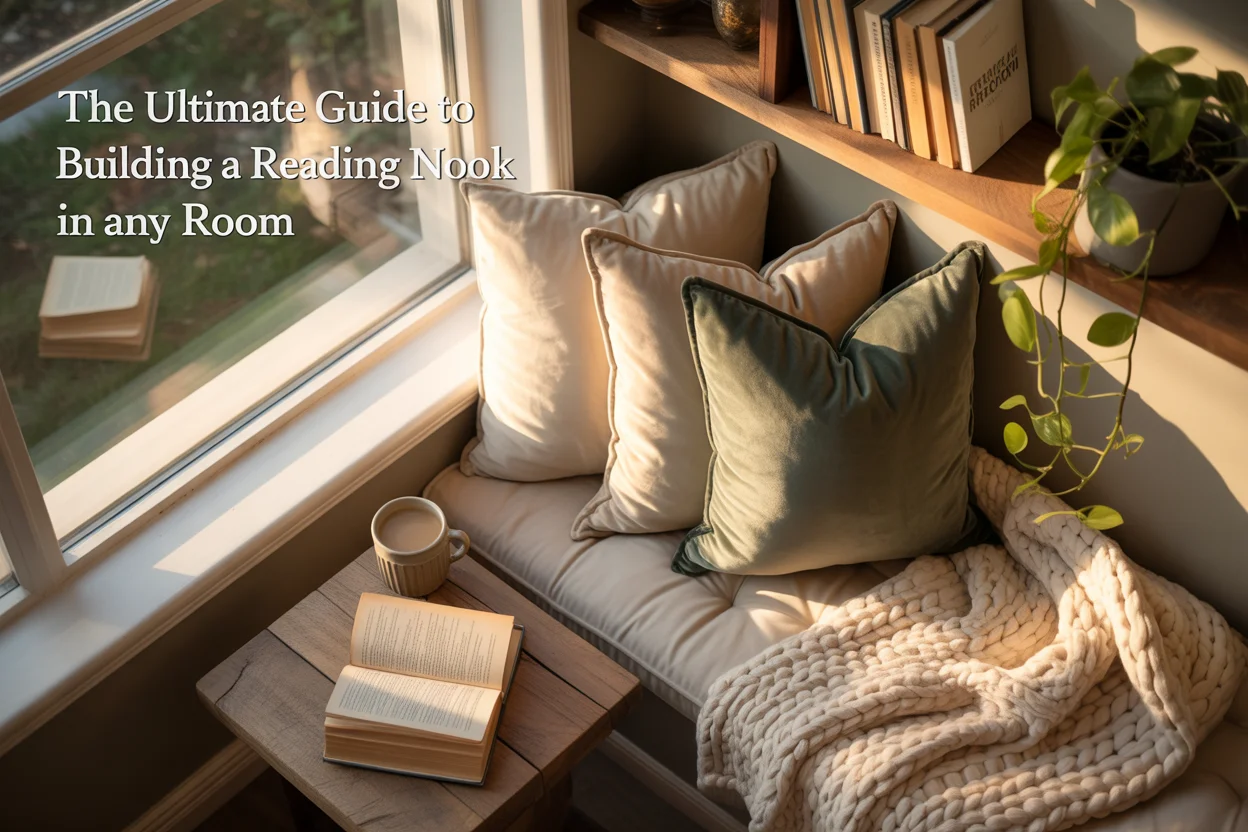
There is something deeply personal about having a quiet corner in your home where you can disappear into a book. A reading nook is not just a design trend — it is a lifestyle upgrade that turns dead space into a daily retreat. Whether you have an entire spare room or just an awkward three-foot gap beside your bed, this guide will walk you through every step of building a reading nook that actually gets used.
Pinterest searches for “reading nook ideas” have surged over 245% year-over-year in 2026, and “comfy reading chair small spaces” is up an astonishing 455%. People are craving what designers now call “micro escapes” — small, intentional spaces that offer comfort without the need for a full renovation. This guide is your blueprint.
📌 Pin this guide for later — you will want to come back to it!
Step 1: Choose the Perfect Spot for Your Reading Nook
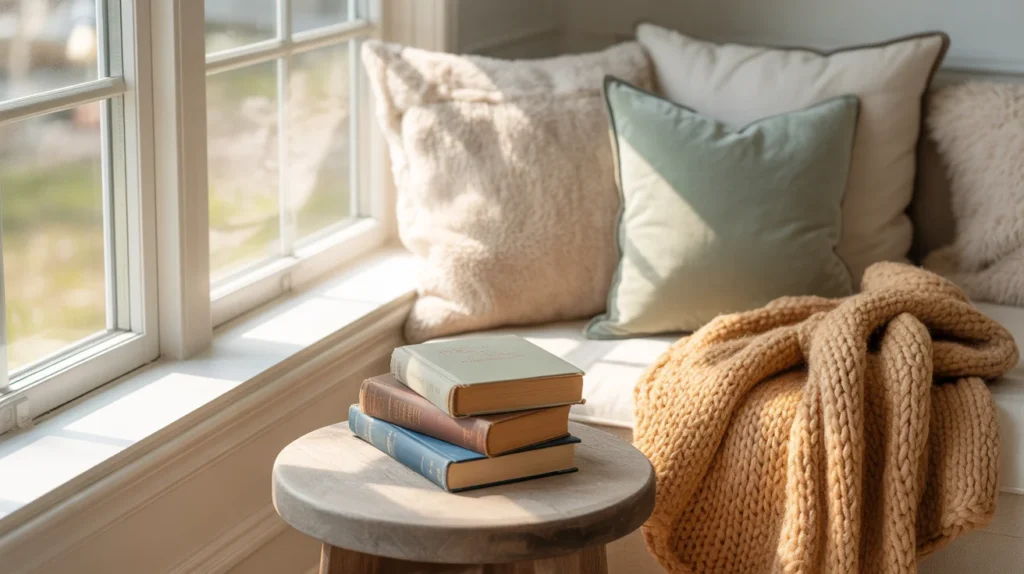
The foundation of every great reading nook is location. You do not need a dedicated room — you need a corner that feels separate from the noise and activity of your home.
Here are the best spots to consider in every room:
Bedroom: A corner beside the wardrobe or the foot of the bed works beautifully. Bedrooms naturally offer quiet, making them ideal for reading. Explore more bedroom reading nook ideas for room-specific inspiration.
Living Room: The area beside a fireplace, an unused corner behind the sofa, or the space flanking a bookshelf can all become a nook. Check out our curated list of living room nook setups for ideas that blend with your existing décor.
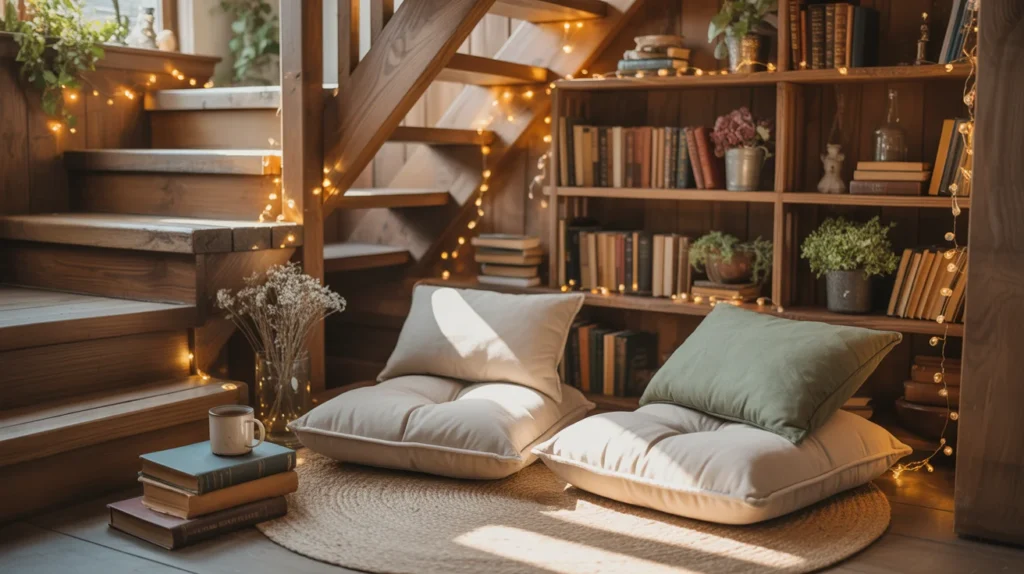
Under the Stairs: This is one of the most underrated spots in any home. The angled ceiling creates a natural cocoon effect that feels private and enclosed. We have a full category dedicated to under stairs nook builds with DIY walkthroughs.
Attic or Dormer: If you have a dormer window, you have struck reading-nook gold. The deep window wells are practically begging for a cushioned bench. See our attic nook ideas for layouts that maximize these unique spaces.
Home Office: Adding a reading nook to your workspace creates a mental boundary between “work mode” and “rest mode.” Browse our home office nook ideas for dual-purpose designs.
Pro Tip: Before committing to a spot, sit there for ten minutes at different times of day. Notice the light, the noise level, and whether it genuinely feels inviting. If it does not pass the ten-minute test, keep looking.
Step 2: Pick the Right Seating (This Makes or Breaks Your Nook)
Seating is the single most important decision you will make. A beautiful nook with an uncomfortable chair is just decoration — nobody will actually sit there.
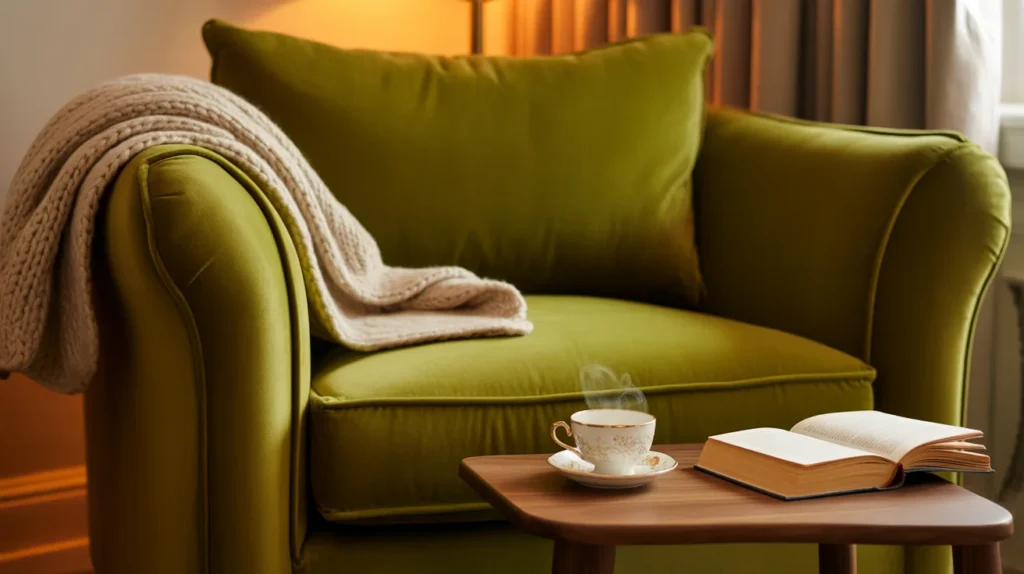
Armchairs and Accent Chairs: A plush armchair with good back support is the classic choice. Look for chairs with a seat depth of at least 20 inches so you can tuck your legs up. Upholstered options in velvet or bouclé fabric are trending heavily on Pinterest right now.
Window Seats and Built-In Benches: If you are going the DIY route, a built-in bench with a hinged top for storage is incredibly practical. Make sure the cushion is at least 4 inches thick — anything thinner becomes uncomfortable after 20 minutes. Our window seat DIY guides include step-by-step building plans.
Floor Cushions and Bean Bags: These are perfect for kids’ reading nooks and casual setups. Giant floor cushions layered with a thick rug create an effortlessly bohemian look. Explore our boho nook styling ideas for more.
Budget Option: Do not overlook your existing furniture. A dining chair with a sheepskin throw and a cushion can become a surprisingly cozy reading spot for zero cost. See our budget nook ideas for more wallet-friendly solutions.
Step 3: Get the Lighting Right
Poor lighting is the number one reason people abandon their reading nooks. You need a layered approach that combines natural light with dedicated task lighting.
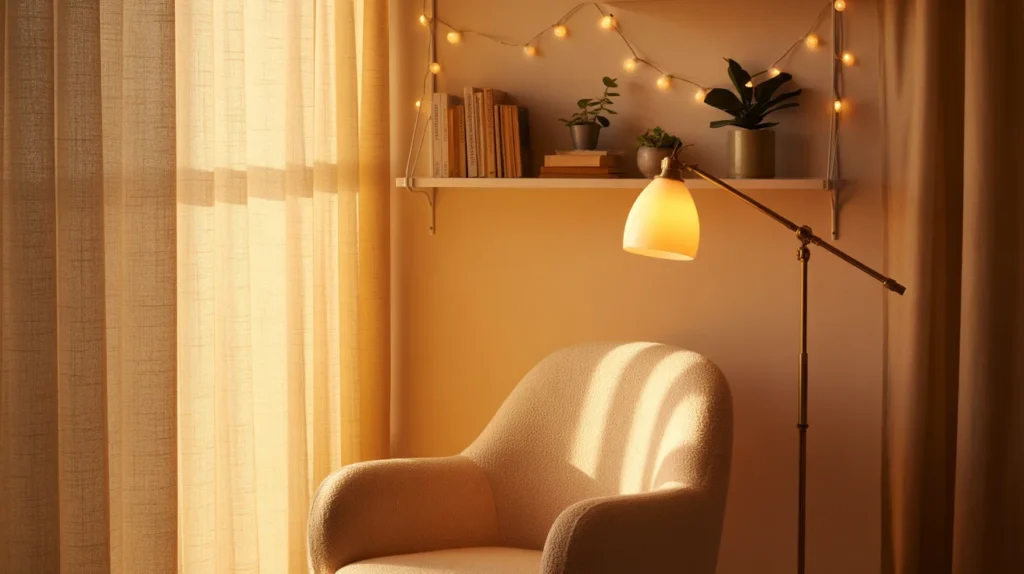
Natural Light: Position your nook near a window whenever possible. Natural light reduces eye strain and creates the warm, inviting atmosphere that performs so well in Pinterest photography. Sheer curtains help diffuse harsh afternoon glare while keeping the space bright.
Task Lighting: Every reading nook needs a dedicated reading lamp. Adjustable floor lamps and swing-arm wall sconces are the best choices because they direct light onto the page without flooding the entire room. Our lighting guide for nooks covers the best options at every price point.
Ambient Lighting: This is where the magic happens. Warm-toned LED string lights, battery-operated candles, or a small table lamp with a linen shade transform a functional corner into an atmospheric escape. According to Architectural Digest, layered lighting is the most effective strategy for making small spaces feel larger and more intentional.
Step 4: Add Smart Storage for Books and Essentials
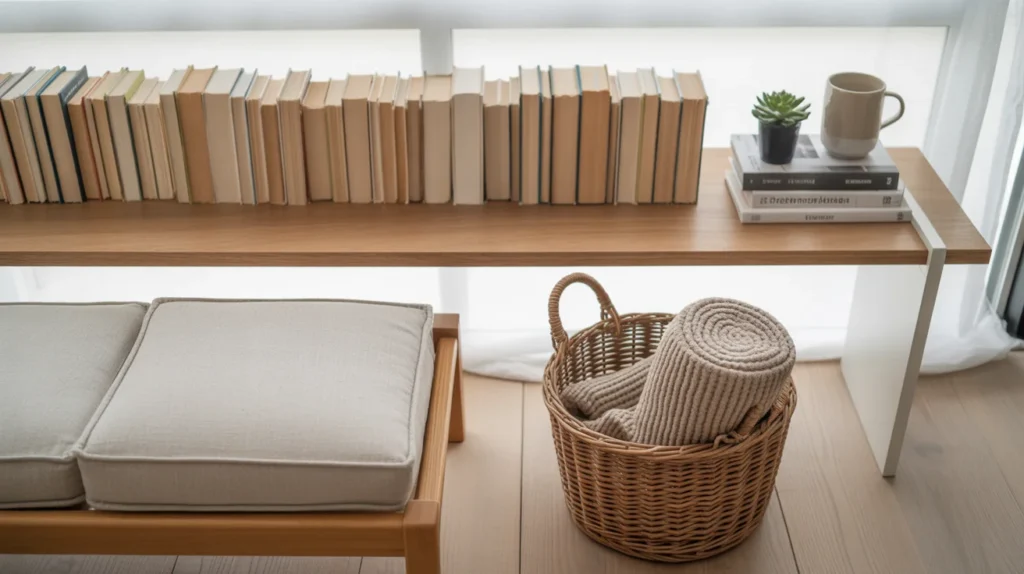
A reading nook without book storage nearby is an incomplete experience. You want your next read within arm’s reach — not across the house on a different shelf.
Floating Shelves: These are the most Pinterest-worthy storage solution for a reason. A set of two or three floating shelves above your seating displays book covers as art while keeping everything accessible.
Built-In Bookshelves: If you are investing in a built-in nook, wrapping the seating area with floor-to-ceiling shelving creates the immersive library effect that readers dream about.
Rolling Carts and Baskets: A small rolling cart or woven basket beside your chair is a flexible, renter-friendly solution. It can hold your current TBR (to-be-read) stack plus a blanket and reading glasses.
Side Tables: Every nook needs a surface for a cup of tea, your phone, or a reading journal. A small round side table, a wooden stool, or even a repurposed vintage crate works perfectly.
Step 5: Layer Textiles for Maximum Comfort
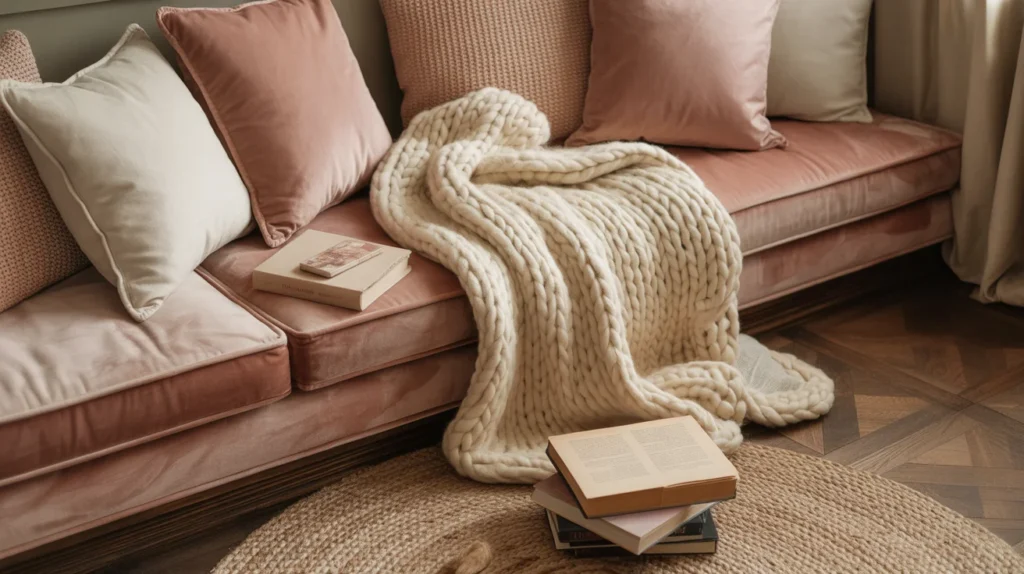
Textiles are what make a reading nook feel warm rather than staged. The key is layering — combining different textures and materials to create depth and tactile comfort.
Start with a base cushion or seat pad in a durable fabric. Add two to three throw pillows in varying sizes and textures — think linen, velvet, and chunky knit. Drape a throw blanket over the arm of your chair or the edge of your bench. Finally, define the nook’s boundaries with a small area rug underneath, which is especially effective in open-plan spaces. Browse our cushion and pillow styling guides and rug selection tips for specific product recommendations.
Step 6: Style Your Nook to Match Your Aesthetic
Your reading nook should feel like a natural extension of your personality. Here are the most popular styles trending on Pinterest in 2026:
Cottagecore: Floral cushions, vintage quilts, dried flower arrangements, and warm wood tones. This style pairs beautifully with dormer windows and under-stairs nooks. Explore our cottagecore nook ideas.
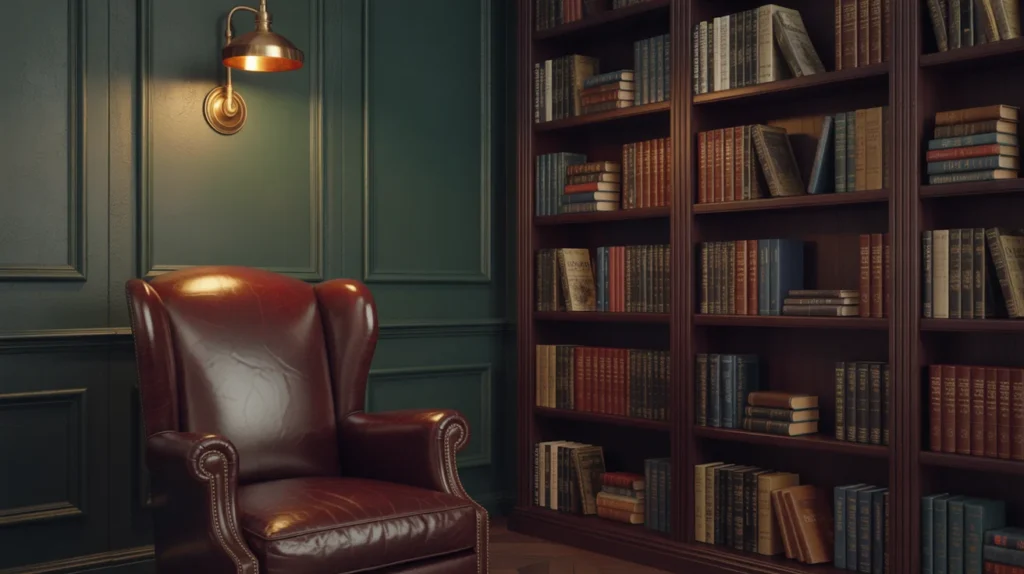
Dark Academia: Deep greens, navy blue, leather seating, brass accents, and walls lined with hardcover books. This aesthetic is surging on Pinterest with searches for “dark cottagecore” up over 900%. See our dark academia nook collection.
Japandi: Clean lines, neutral palettes, natural wood, and minimal décor. A single plant, a ceramic mug, and a well-chosen book become the entire aesthetic. Browse our Japandi reading nook guide.
Scandinavian: White walls, pale wood shelving, sheepskin throws, and functional simplicity. This is the go-to for small spaces. Check out our Scandinavian nook designs.
Boho: Macramé wall hangings, floor cushions, layered rugs, and lots of plants. This style is forgiving and works well with mismatched furniture. Visit our boho style guide for complete breakdown
Step 7: DIY vs. Ready-Made — Which Route Is Right for You?
DIY Built-In Nooks: If you own your home and want a permanent feature, a built-in bench with storage is one of the best home improvement projects you can take on. It increases both the usability and resale value of your space. Our budget build guides and IKEA hack tutorials show you how to achieve a custom look for a fraction of the cost.
Ready-Made Setups: Renters and anyone who wants flexibility should focus on freestanding furniture — an accent chair, a side table, a floor lamp, and a small bookshelf. This approach lets you build (and dismantle) a complete nook in under an hour.
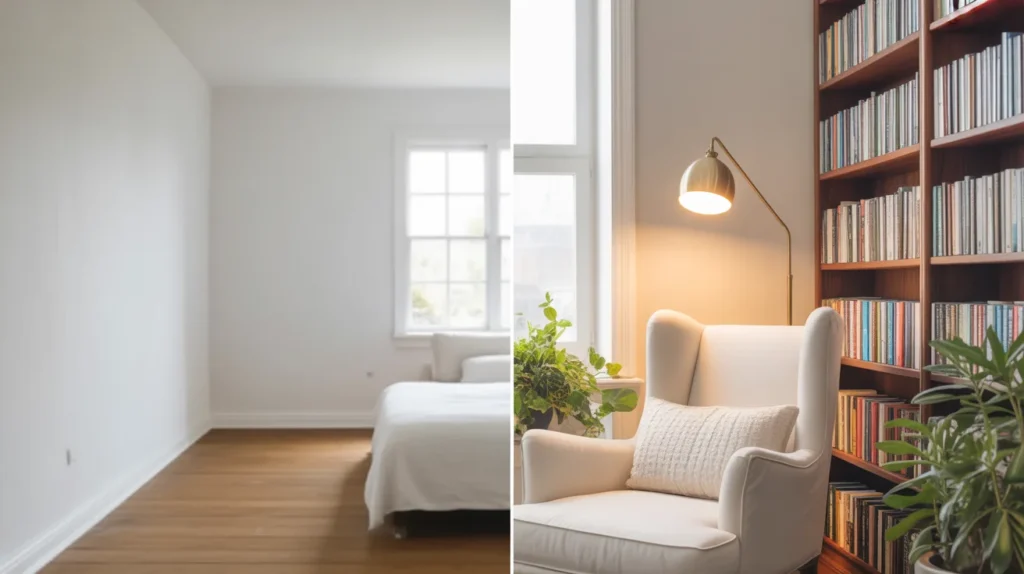
Step 8: Create a Reading Nook for Kids
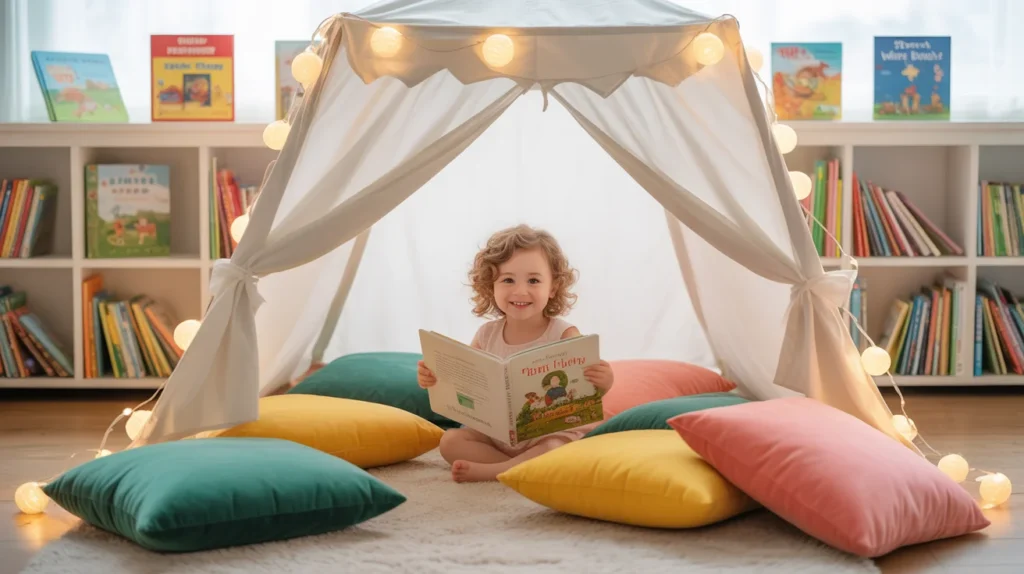
Children who have a dedicated reading space develop stronger reading habits. The key with kids’ nooks is making them accessible, colorful, and just a little bit magical.
Use a canopy or reading tent to create an enclosed, fort-like feeling that kids gravitate toward. Front-facing bookshelves (rain-gutter style) let young children see and choose their own books. Keep seating low to the ground with washable covers for inevitable spills. Explore our Montessori nook ideas, reading tent setups, and toddler nook designs for age-appropriate inspiration.
Step 9: Take Your Nook Outdoors
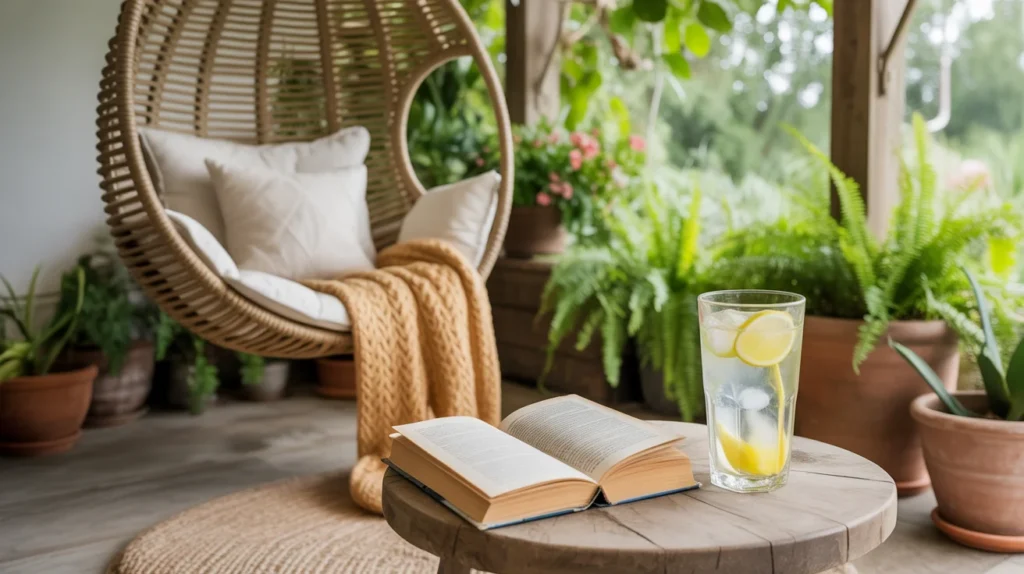
A reading nook does not have to live inside your house. A shaded porch corner, a garden bench under a tree, or a balcony setup with weather-resistant cushions can become your warm-weather reading haven. Check out our guides to garden nooks, balcony nooks, and even reading shed builds for the ultimate outdoor escape.
Quick Budget Breakdown
You do not need to spend a fortune to build a beautiful reading nook. Here is a realistic cost range:
- Under $50: Repurpose existing furniture, add a cushion and throw from a thrift store, and use books you already own as décor.
- $50–$200: Purchase an accent chair or floor cushions, a reading lamp, and a small shelf or side table.
- $200–$500: Invest in quality seating, floating shelves, layered textiles, and a statement lamp.
- $500+: Go for a built-in bench, custom shelving, or a full room-corner transformation.
For detailed walkthroughs at every price point, explore our budget nook collection.
Final Thoughts
Building a reading nook is one of the simplest, most rewarding home projects you can tackle. It does not require a contractor, a massive budget, or even a large home. All it takes is a quiet corner, comfortable seating, good light, and the intention to carve out space for yourself.
The best reading nooks are the ones that actually get used — so do not overthink the aesthetics. Start with comfort, add personality, and let it evolve over time. Your future self, curled up with a book and a warm drink, will thank you.
For more ideas tailored to your exact space, explore our full collection of reading nook ideas, small space solutions, and closet conversion nooks at LittleNookHome.com.
External Resources:
Keep reading
More cozy nook ideas
 IKEA Hacks
Read →
IKEA Hacks
Read →
12 IKEA Furniture Ideas That Look Custom, Not Homemade
You can spot flat-pack from across a room, and it’s rarely the furniture’s fault. It’s the gaps. A strip of bare wall…
 IKEA Hacks
Read →
IKEA Hacks
Read →
20 IKEA Besta Ideas That Look Custom, Not Homemade
Four skinny legs, a gap at the wall, a cushion that slides off every time you lean back. That’s how most IKEA…
 DIY
Read →
DIY
Read →
12 Furniture Makeover Ideas for Beginners Who Have Never Painted a Thing
Your dresser is fine. It works, it holds socks, and it has looked exactly the same since the day you carried it…