
The 12 Best Reading Chairs of 2026 (Ranked for Three-Hour Comfort)
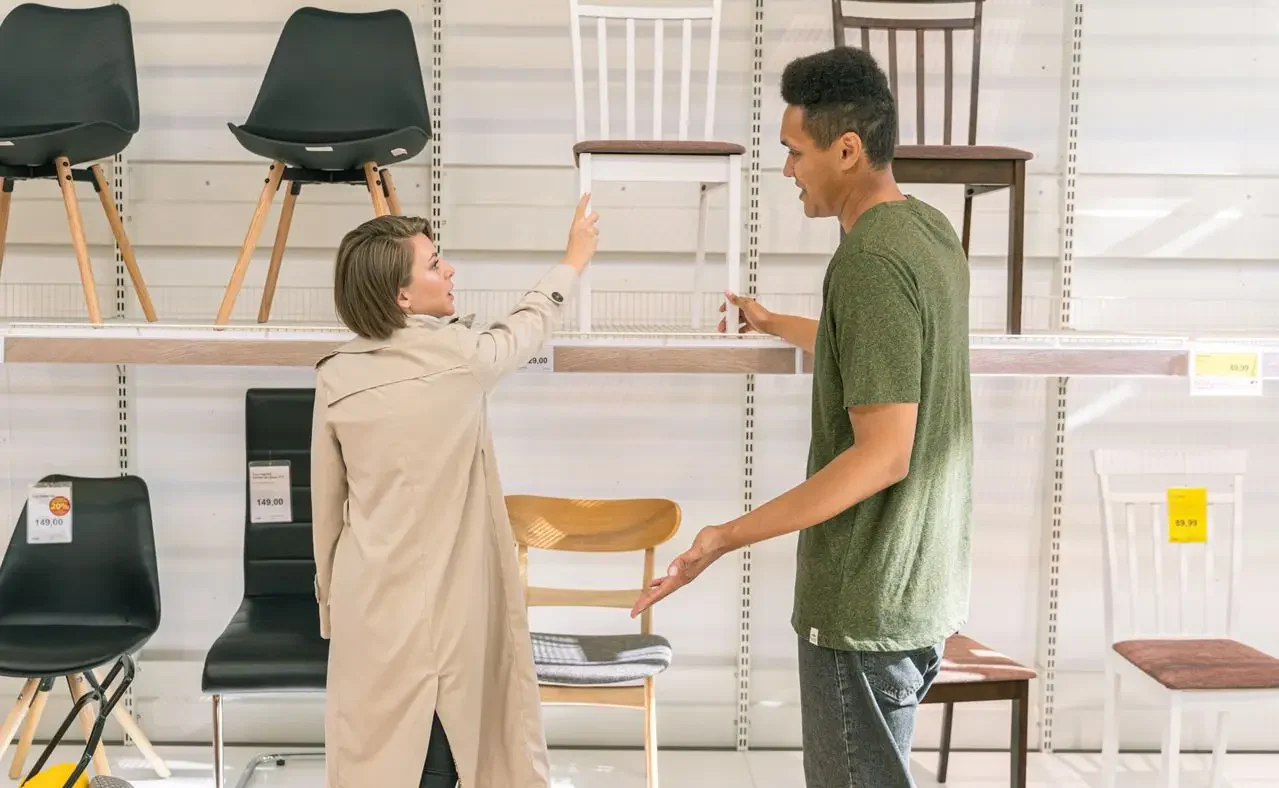
The best reading chairs are not the prettiest chairs in the showroom. It’s the one you’re still comfortable in at the end of chapter nine, with a seat deep enough to tuck your feet, a back tall enough to rest your head, and arms wide enough to hold a book or a mug. These are the 12 reading chairs that get those three things right in 2026, ranked by how they hold up over a three-hour read and sorted so you can find your budget fast.
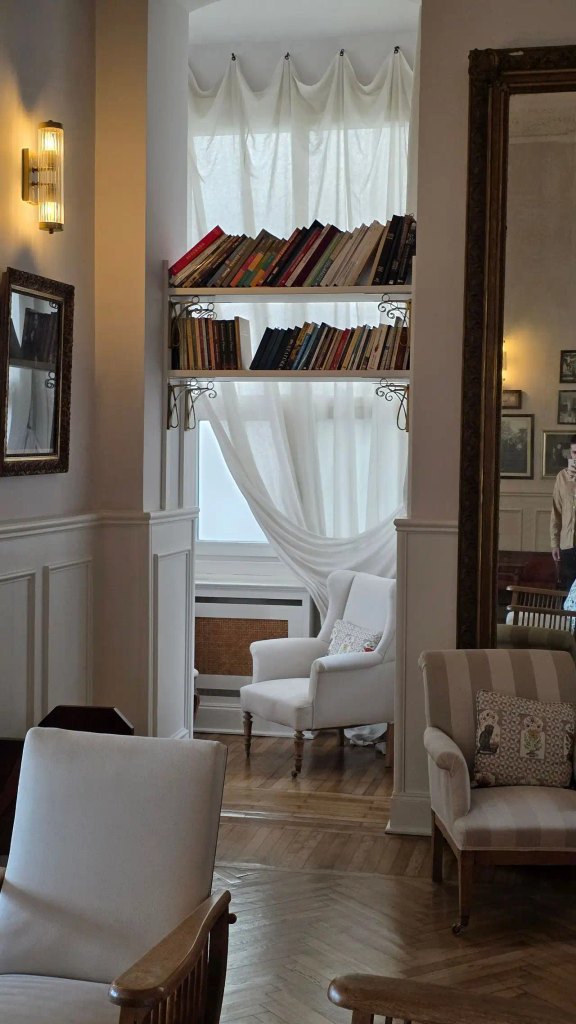
Quick Picks: The Best Reading Chair for Each Reader
| Best for | Chair type | Typical price |
|---|---|---|
| Most readers, best all-round | High-back swivel armchair | $180 to $400 |
| Classic look, head support | Wingback (IKEA Strandmon is the budget benchmark) | $250 to $600 |
| Curling up sideways | Barrel-back or cuddle chair | $150 to $450 |
| Stretching out full length | Chaise lounge | $400 to $900 |
| Back pain | Lumbar-supported recliner or glider | $300 to $900 |
| Small rooms and apartments | Slipper chair or compact club chair | $120 to $300 |
| Under $150 | IKEA Poäng, papasan, or memory-foam bean bag | $45 to $150 |
| Statement piece | Mid-century lounge chair with ottoman | $500 to $1,500-plus |
How We Judged a “Good” Reading Chair
Four measurements decide comfort long before fabric does. Seat depth of 21 to 24 inches lets most adults curl up or sit cross-legged; under 20 inches and you perch. Seat height of 17 to 19 inches keeps your feet flat for upright reading. Back height of at least 30 inches from the seat supports your shoulders, and closer to 36 inches supports your head when you lean back for the slow chapters; Cornell University’s ergonomics notes on seating put full head-and-neck support at about a 36-inch backrest and the comfortable recline at 100 to 110 degrees. Arm width of 4 inches or more gives a paperback or a mug somewhere to live. Every chair below clears those numbers in its standard version; where a type has a common failure, we say so.
The Reading Chair Fit Cheat Sheet
| Measure | Aim for | Why it matters |
|---|---|---|
| Seat depth | 21 to 24 in | Room to curl up or sit cross-legged |
| Seat height | 17 to 19 in | Feet flat, knees level for upright reading |
| Backrest height | 30 in minimum, about 36 in for head support | Lets you lean back for the slow chapters |
| Backrest angle | 100 to 110 degrees | The recline where your lower back relaxes |
| Arm width | 4 in or more | A paperback or a mug has somewhere to live |
| Overall width | under 32 in for a bedroom corner | Anything wider swallows the room |
Measure the chair you are tempted by against this before you fall in love with the fabric.
The 12 Best Reading Chairs of 2026
1. The high-back swivel armchair (best overall)
Deep seat, tall back, and a base that rotates you toward the window by day and the lamp by night without moving furniture. Boucle, teddy, and performance linen versions dominate the $180 to $400 band, and the better ones use high-resilience foam that doesn’t bottom out after a year. If you buy one chair from this list, buy this one.
2. The wingback (best classic)
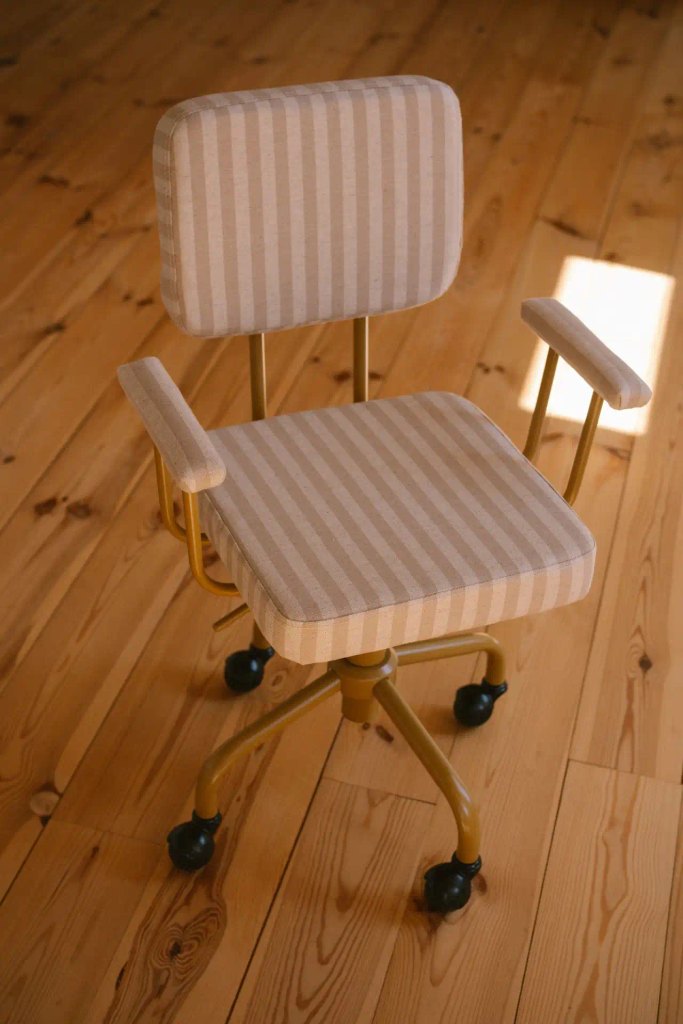
The wings block peripheral distraction and give your head somewhere to rest, which is why this has been the default library chair for two centuries. The IKEA Strandmon, usually around $279 to $349, is the benchmark budget wingback; upholstered versions in velvet or linen run $400 to $600 and look at home in a cottagecore or dark academia corner.
3. The barrel-back accent chair (best for curling up)
A curved back that wraps around you is the closest a chair gets to a hug, and the round silhouette tucks into corners without looking bulky. $150 to $280 buys a good one with a thick foam seat; we picked ten specific models in our reading nook accent chairs under $300 guide.
4. The chaise lounge (best for stretching out)
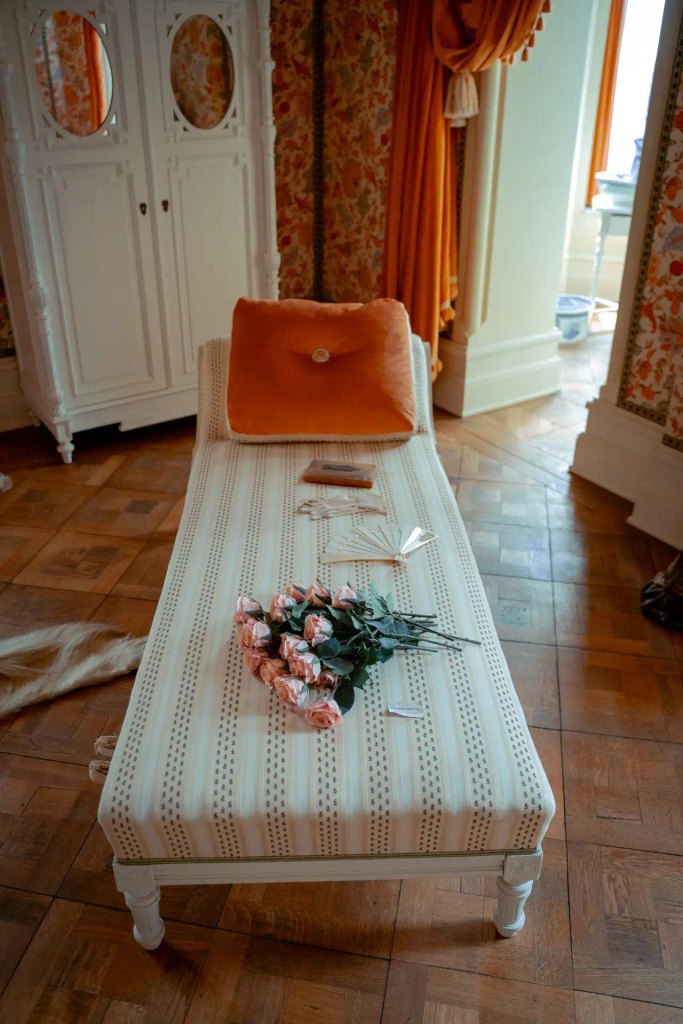
For the reader who wants legs up, blanket on, book propped on their chest. Look for a slight incline in the backrest and feather-blend cushions, and expect $400 to $900 for one that stays comfortable. It is the most fought-over seat in any house that has one.
5. The lumbar-supported recliner (best for back pain)
If sitting upright for an hour hurts, a recliner with real lumbar support and a footrest that lifts your knees above your hips takes the load off your lower back. Skip the oversized “theater” recliners; the slimmer push-back and wall-hugger styles ($300 to $900) fit a bedroom corner and don’t swallow the room.
6. The glider or rocker (best for restless readers)
Nursery gliders grew up: the current upholstered gliders are wide, deep, and quiet, and the gentle motion keeps fidgety readers in the chair longer. $300 to $700, and the ones with a matching gliding ottoman are the comfortable version of a chaise for a small room.
7. The mid-century lounge chair with ottoman (best statement)
The molded-shell lounge chair and ottoman is the chair everyone pictures when they picture a reading chair. Faithful reproductions start around $500 and the originals run into the thousands; either way, the reclined angle and the separate footrest are what make it a three-hour chair rather than a photo prop.
8. The slipper chair (best for small rooms)
Armless, low, and under 26 inches wide, a slipper chair fits a bedroom wall or an apartment corner that nothing else will. It’s an hour chair, not a three-hour chair, so add a lumbar pillow. For more corner-friendly layouts, see small reading nook ideas for adults.
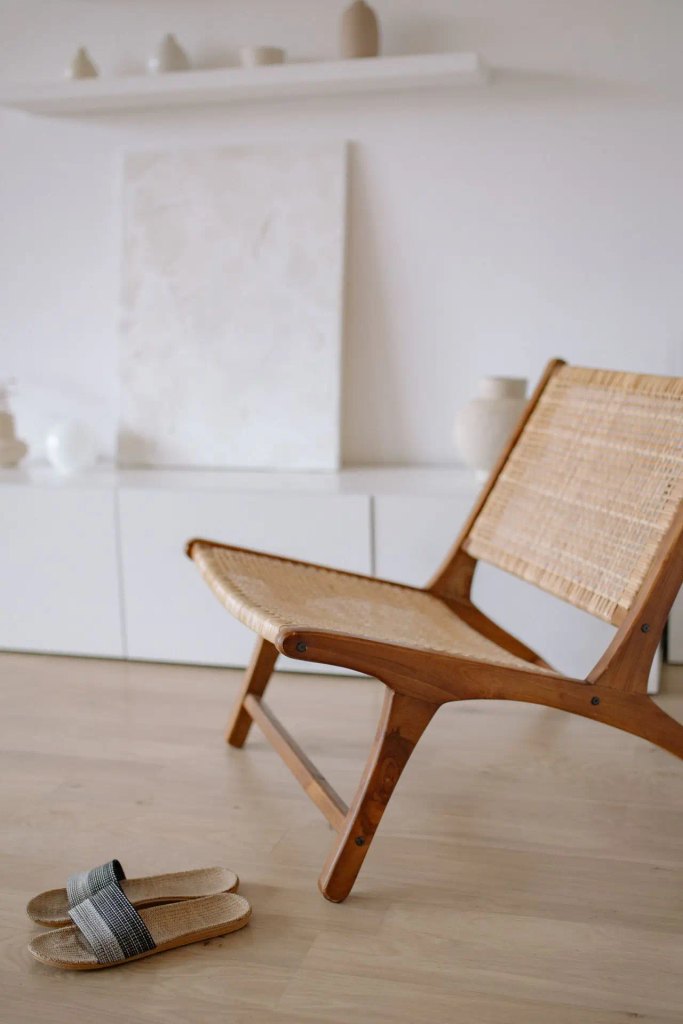
9. The compact club chair (best small-space comfort)
If you want arms and a real back in under 30 inches of width, a petite club chair is the answer. Leather versions age beautifully; linen slipcovered versions wash. $200 to $450.
10. The IKEA Poäng (best under $150)
The bent-wood cantilever chair has been a student reading chair for decades for a reason: it flexes with you, the cushion is replaceable, and it costs about what a nice dinner does. Add the matching footstool and a thicker cushion and it’s a legitimately comfortable evening chair.
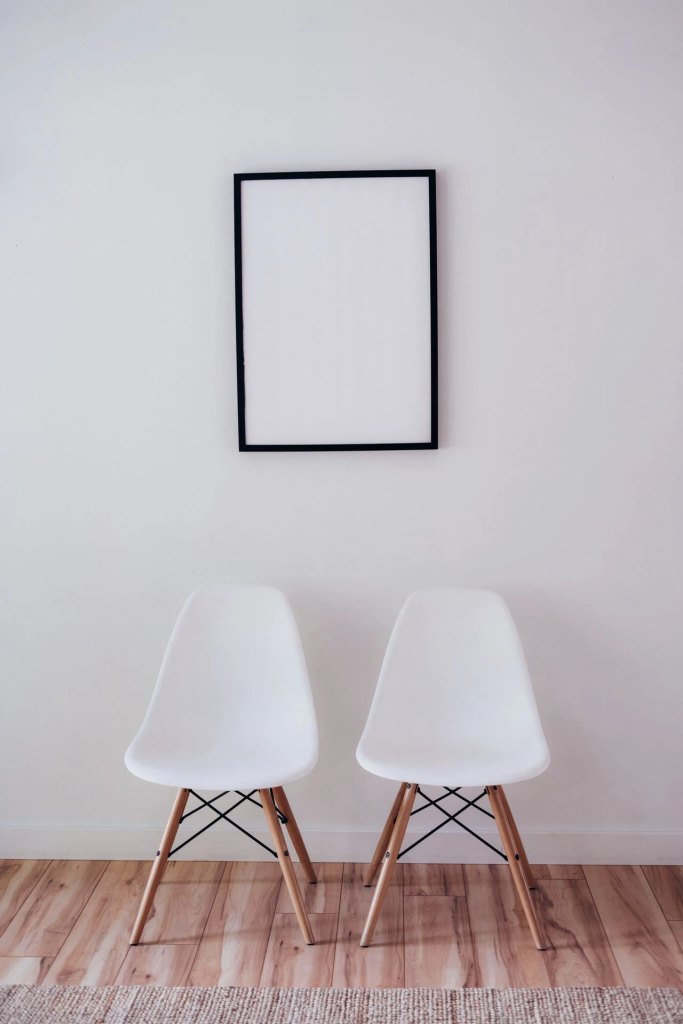
11. The papasan (best for curling up on a budget)
A deep bowl, a thick cushion, and a $60 to $95 price tag. The slouch is the only problem, and a firm lumbar pillow fixes it. Our papasan reading nook guide covers the single-versus-double decision and the setup that makes it readable for an hour-plus.
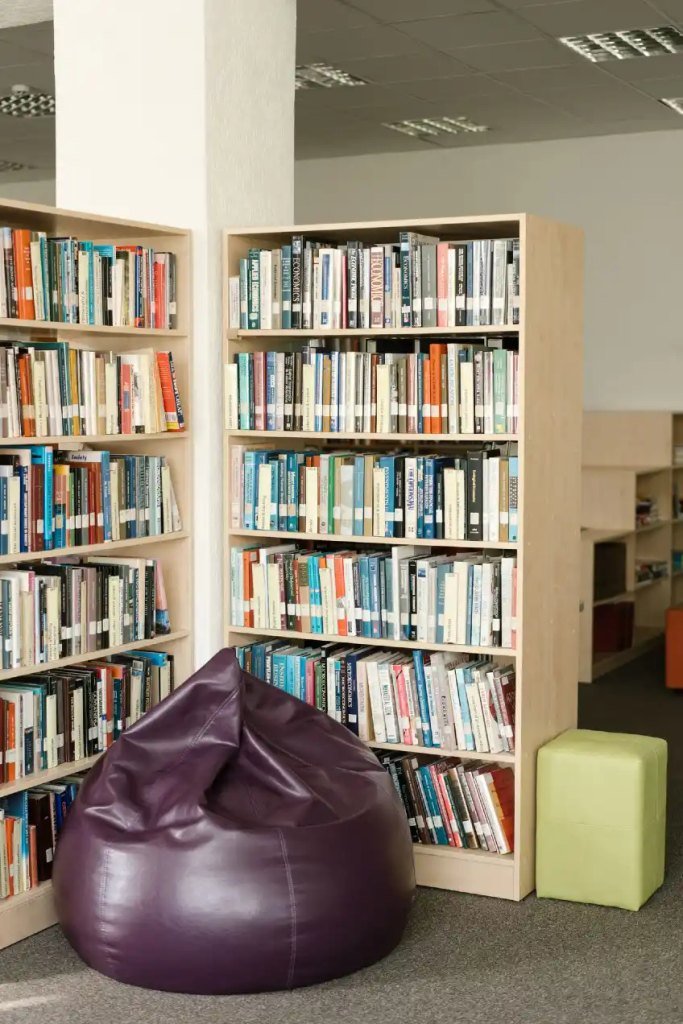
12. The memory-foam bean bag (best for kids and floor readers)
Not the crunchy college kind. The shredded-memory-foam versions mold to you, move between rooms, and survive being jumped on. $45 to $90, and the right answer for a kids’ corner or a reader who’d honestly rather be on the floor.
A sculptural seat with a thin cushion, a low back, and slim arms. Gorgeous in a photo, and your neck is sore by page twenty.
A 22-inch seat, a back tall enough to rest your head, padded arms, an ottoman for your feet, and a 2700K lamp behind your shoulder. Nobody photographs it. Everybody sits in it.
Fabric, Fill, and the Details That Decide Comfort
Fill: high-resilience (HR) foam for the seat, feather-wrapped foam for the back if you can get it. Pure feather looks lovely and needs fluffing daily; pure low-density foam goes flat in a year. Fabric: performance linen and boucle for pets and kids, velvet for a nook that needs to glow in lamplight, leather if you want it to outlast the house. The footstool: an ottoman turns an hour chair into a three-hour chair more reliably than anything else you can buy; see our reading nook ottoman picks.
Reading Chair FAQ
What is the most comfortable chair for reading?
For most people, a high-back swivel armchair with a 21 to 24 inch seat depth and an ottoman. If you curl up, a barrel chair; if you stretch out, a chaise; if your back hurts, a lumbar-supported recliner.
Is a recliner a good reading chair?
Yes, if it has real lumbar support and you keep the recline shallow; fully reclined, the book ends up above your face and your arms tire. The slim push-back styles are better reading chairs than the giant padded ones.
Wingback or barrel chair for reading?
Wingback if you read upright and want head support and a classic look. Barrel if you read curled up or sideways and want something that fits a corner. Both are comfortable for long sessions; it comes down to how you sit.
What’s the best reading chair for a small space?
A slipper chair or a compact club chair under 30 inches wide, angled into a corner with a slim side table. A hanging hammock chair takes zero floor space if you can mount it or use a stand.
How much should a good reading chair cost?
$150 to $400 is the sweet spot where seat depth, foam quality, and fabric all get properly good. Under $150 you’re choosing between the Poäng, a papasan, and a bean bag, all of which work; over $500 you’re paying for design, leather, and longevity.
Your Next Step
Measure your corner, pick the type that matches how you actually sit, and buy the ottoman at the same time. Then build the rest of the nook around it: our reading nook chairs for every budget guide covers the corner-specific picks, and our reading nook floor lamps roundup handles the light.
Keep reading
More cozy nook ideas
 Home Office
Read →
18 Small Office Ideas for Tiny Apartments and Awkward Corners
No spare room, no landlord who likes drills, and a laptop that keeps wandering between the couch, the bed, and the kitchen…
 Study & Craft Nooks
Read →
16 Kids Homework Station Ideas Little Ones Will Love
Two IKEA pieces, one empty corner, $109.98 before tax. That’s the first kids homework station on this list, and it fits in…
 Home Office
Read →
Cozy Home Office Ideas: 10 Changes That Warm Up a Work Corner
Your desk is against a beige wall, under a ceiling light that makes everything look like a dentist’s waiting room, and you…
One Comment